One license, two common names
The California Department of Social Services (CDSS) licenses RCFEs, which it says are also known as assisted living facilities or board and care facilities. They give non-medical care and supervision. The same law, the Health and Safety Code starting at section 1569, and the same regulations, Title 22 of the California Code of Regulations, apply to both.
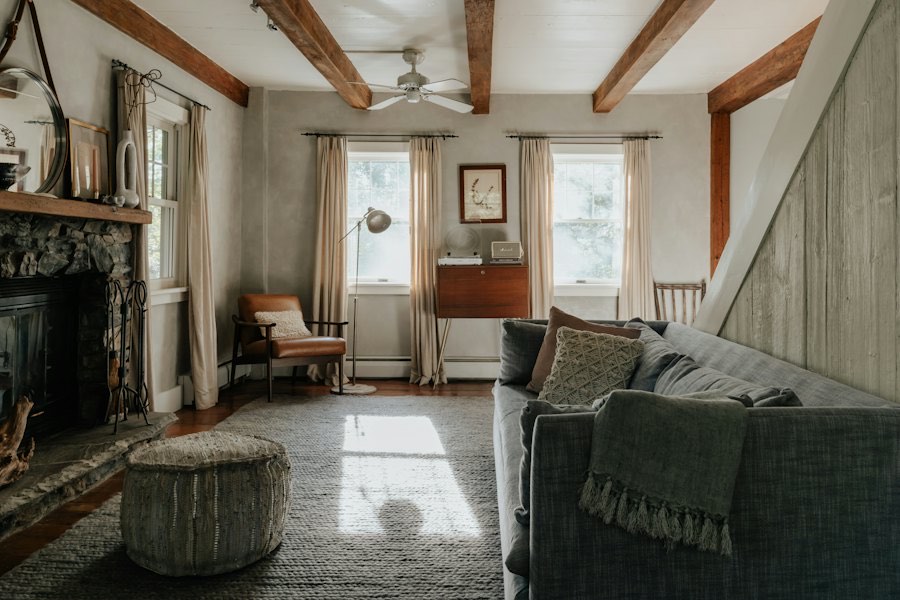
Families often say board and care for a small home in a house, and assisted living for a larger building. That is everyday language, not a separate license. When you check a home in the state's Care Facility Search, both show up as RCFEs.
What every RCFE must provide
Under Title 22, every RCFE must at least provide these basic services, whatever its size:
- Care and supervision, and safe, healthful living space.
- Three balanced meals and snacks each day, including low salt or other diets a doctor orders.
- Help with daily activities such as dressing, eating and bathing, and help with taking prescribed medicines.
- Regular observation of the resident's physical and mental condition.
- Arrangements to meet health needs, including transportation.
- A planned program of social and recreational activities.
An RCFE may let a licensed home health agency provide some medical services to a resident when certain conditions are met. Nursing care in the full sense belongs to skilled nursing facilities, which are licensed separately.
Size is the main difference
CDSS notes that some licensees care for six residents or fewer, while others care for more than a hundred. Small homes are common around Sacramento. In the state's licensing data file dated May 25, 2025, 549 of the 634 licensed RCFEs in Sacramento County had a capacity of six or fewer.
Our directory lists these small homes. Browse Sacramento, Fair Oaks or Orangevale.
Staffing rules that change with size
California does not set a fixed staff to resident ratio for RCFEs. Title 22 says staff must at all times be sufficient in number and competent to meet residents' needs, and the state may require more staff when needed. Other rules do depend on size:
- At night (10 p.m. to 6 a.m.). A home with fewer than 16 residents needs a qualified person on call on the premises. That person does not have to be awake. A home with 16 to 100 residents needs one staff member on site and awake, plus one more on call within 10 minutes.
- Support staff. Homes licensed for 16 or more must employ enough support staff so residents get the personal help and care they need.
- Administrator. Every home needs a certified administrator, at least 21, with a high school diploma or GED. For 16 to 49 residents, the administrator also needs 15 college units and one year of experience. For 50 or more, two years of college and three years of experience.
What changes for your family
In a six-bed home, your parent will likely see the same few caregivers each day. But with fewer than 16 residents, the night rule only asks for someone on call on the premises. So ask whether anyone is awake at night, unless a resident's dementia appraisal already requires it. A home with 16 or more residents must have awake night staff, more support staff and an administrator with more education and experience.
Neither type is better by law. Ask each home who works each shift, who is awake at night and what happens when a caregiver is sick.
Dementia care rules
Two Title 22 sections matter if your parent has memory loss.
Section 87705, Care of Persons with Dementia, applies to any RCFE with a resident who has a dementia diagnosis. Staff must be trained in dementia care, such as hydration, skin care, communication and behavior. In a home with fewer than 16 residents, at least one staff member must be awake at night if the resident's appraisal shows they need awake night supervision. Exterior doors and gates that residents at risk of wandering can reach need an alarm or other alert. Delayed exit devices and locked doors need fire clearance approval and notice to licensing, and they never replace enough trained staff.
Section 87706, Advertising Dementia Special Care, applies to homes that advertise special dementia care, programs or settings. Their plan of operation must describe the dementia program, admission, staff training, activities, the physical setting and what happens when a resident's condition changes. The home must make a written description of its program available to the public on request.
State law also sets training hours for staff who help residents with daily activities: 40 hours in all, including 12 hours on dementia care, with 20 of those hours done before they work on their own and the rest within the first four weeks. After that, 20 hours each year, including 8 on dementia care.
Ask a home that says it offers dementia care for its written program description. See Elk Grove homes serving residents with dementia or Carmichael homes serving residents with dementia. If end of life care may come up, read about the hospice waiver, and for costs see how to pay for board and care.
Questions families ask
Is assisted living more closely regulated than board and care?
No. Both are RCFEs under the same law. Some rules, like night staffing and administrator education, are stricter for larger homes.
Do board and care homes have nurses?
RCFEs give non-medical care. Some medical services can be provided by an outside home health agency or, with a hospice waiver, a hospice agency.
Which costs less?
We found no official state figure for average prices. Ask each home for its monthly rate in writing.
Sources and when we checked them
- CDSS: Choosing a Residential Care Facility for Seniors in California (version 06/01/2022), checked November 2, 2026
- CHHS Open Data: Community Care Licensing Facilities (RCFE file dated May 25, 2025), checked November 2, 2026
- Title 22 CCR 87411, Personnel Requirements (text via Cornell LII), checked November 2, 2026
- Title 22 CCR 87415, Night Supervision (text via Cornell LII), checked November 2, 2026
- Title 22 CCR 87405, Administrator Qualifications (text via Cornell LII), checked November 2, 2026
- Title 22 CCR 87705, Care of Persons with Dementia (text via Cornell LII), checked November 2, 2026
- Title 22 CCR 87706, Advertising Dementia Special Care (text via Cornell LII), checked November 2, 2026
- California Health and Safety Code 1569.625 (text via FindLaw), checked November 2, 2026